Blog
The Butterbase Journal
Ideas, guides, and updates for building agent-native software, products, and operations with AI.
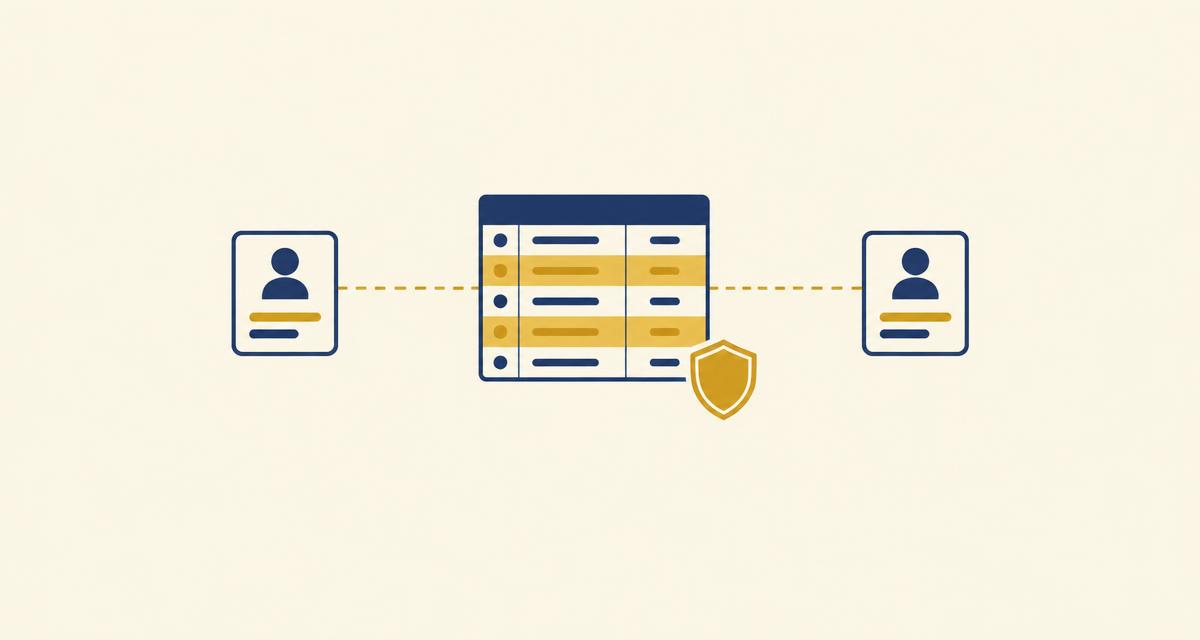
What Is Row Level Security? A Plain Guide with Postgres Examples
Row level security moves the rule "nobody sees anyone else's rows" out of every query and into the table. Working Postgres examples, USING vs WITH CHECK, five mistakes that leak data, and a two account test.
Read article →
How to Give an AI Agent Limited Access to Your Database
Most agents get a connection string and nothing else. Split permissions into read, write and destructive, give each agent its own role, scope rows with row level security, and log every action.
Read article →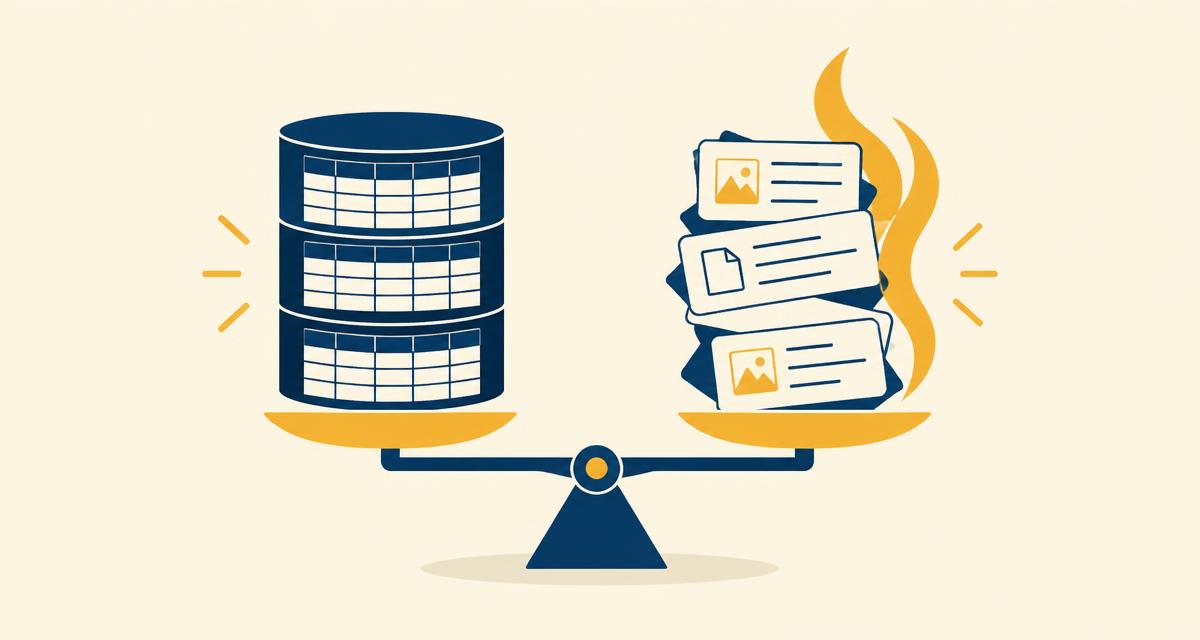
Supabase vs Firebase in 2026: Which Backend Should You Use for an AI-Built App?
Supabase is the better default for AI-built web apps: Postgres, row level security and flat pricing past 50K users. Firebase still wins for mobile apps that need offline sync and push.
Read article →
Firebase Pricing in 2026: What the Blaze Plan Actually Costs
About $0 at 1K users, $19 at 10K and $605 at 100K. Current Blaze rates, a worked bill line by line, the five billing traps AI-built apps hit, and when to switch.
Read article →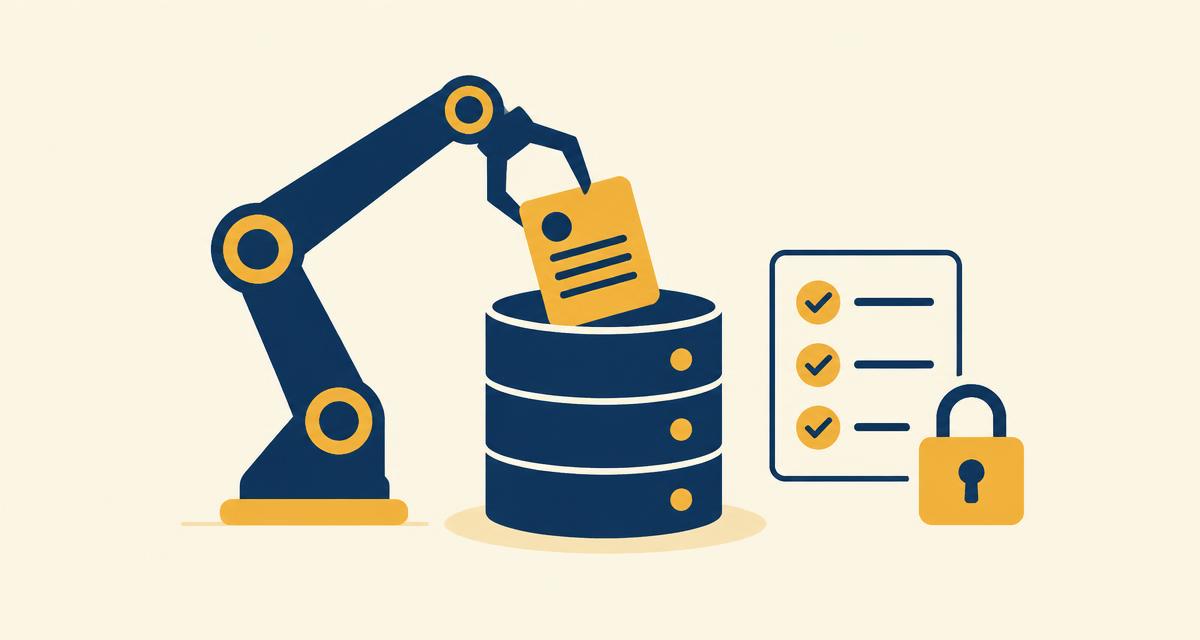
How to Get an AI Agent to Actually Do Work For You
Most agents explain the job back to you and stop. An agent does real work when it has four things: somewhere to keep state, tools it can call, limits on what it may change, and a record you can check.
Read article →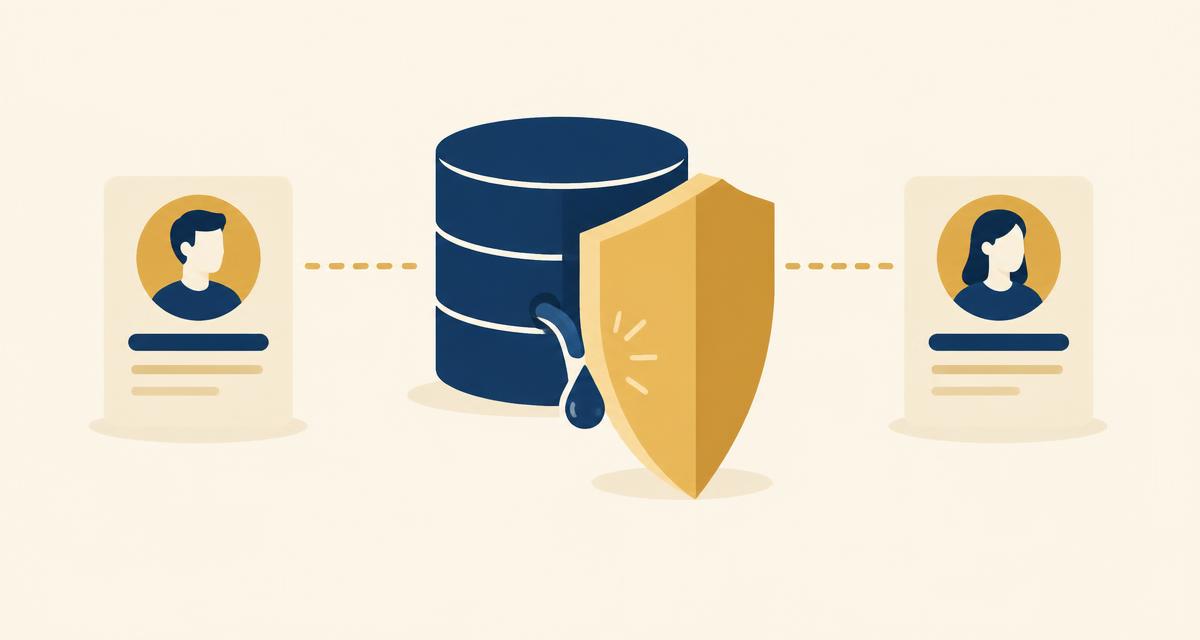
How to Stop an AI Built App From Leaking User Data
AI built apps usually filter data in frontend code, so a user can edit one request and read someone else's data. A five minute two account test, the row level security fix, and the five places leaks hide.
Read article →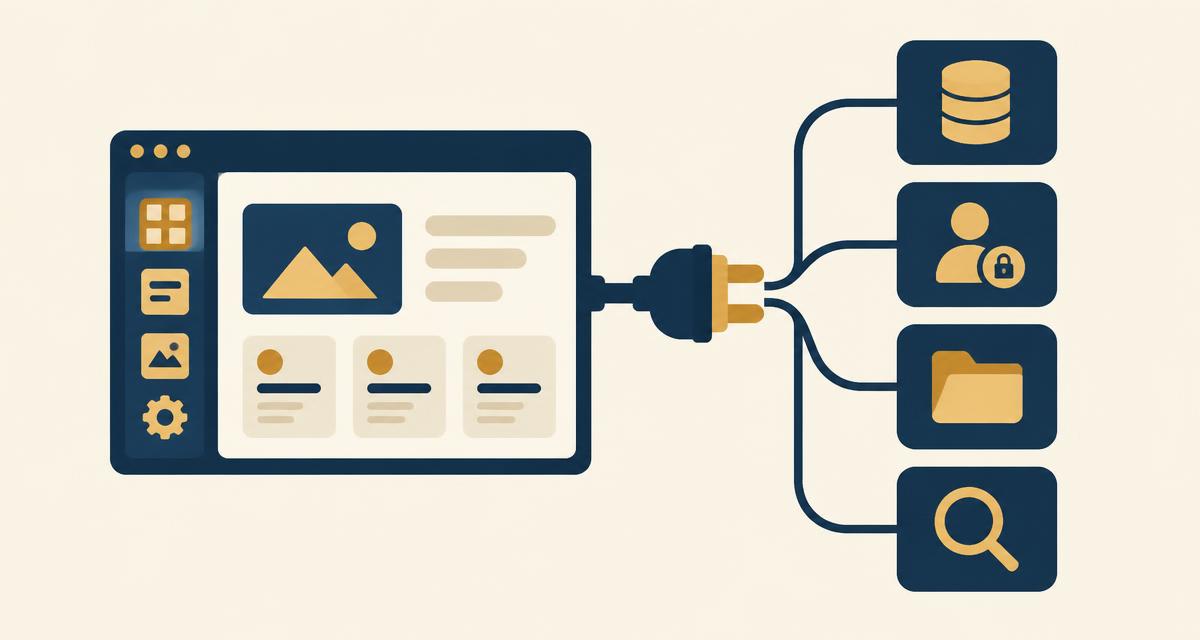
Build a Full-Stack App in Dyad with Butterbase
Butterbase is now a backend in Dyad. Connect it from Plugins, verify the connection, and build with Postgres, real logins, per user row level security, file storage, an AI gateway and search.
Read article →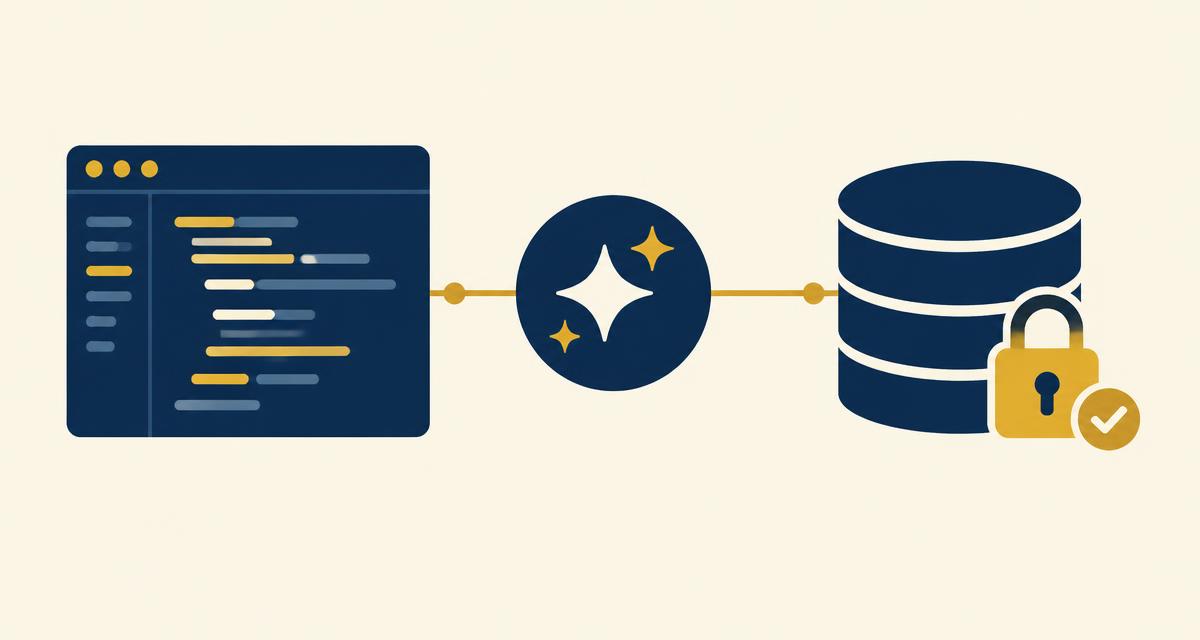
Qoder Backend Setup: Add Postgres, Auth and Storage with Butterbase
Qoder writes good code but cannot set up a database by itself. Install Butterbase from Extension management, authorise it in Connectors, and the agent gets a real backend it can create, query and verify while it builds.
Read article →
How Software Development Actually Changed in 2026
60% of new code is AI-generated. 75% of new enterprise apps are low-code or no-code. Gartner expects 65% of teams to treat the IDE as optional by 2027. What changed, what didn't, and what it means for who gets to build.
Read article →
Vibe Coding vs No-Code Platforms: Where Each One Breaks
No-code stops at the customisation ceiling. Vibe coding stops at production. They fail at different points for different reasons, and picking between them means knowing which failure you'd rather have.
Read article →10 of 67